Drew Reed · 15 September 2026
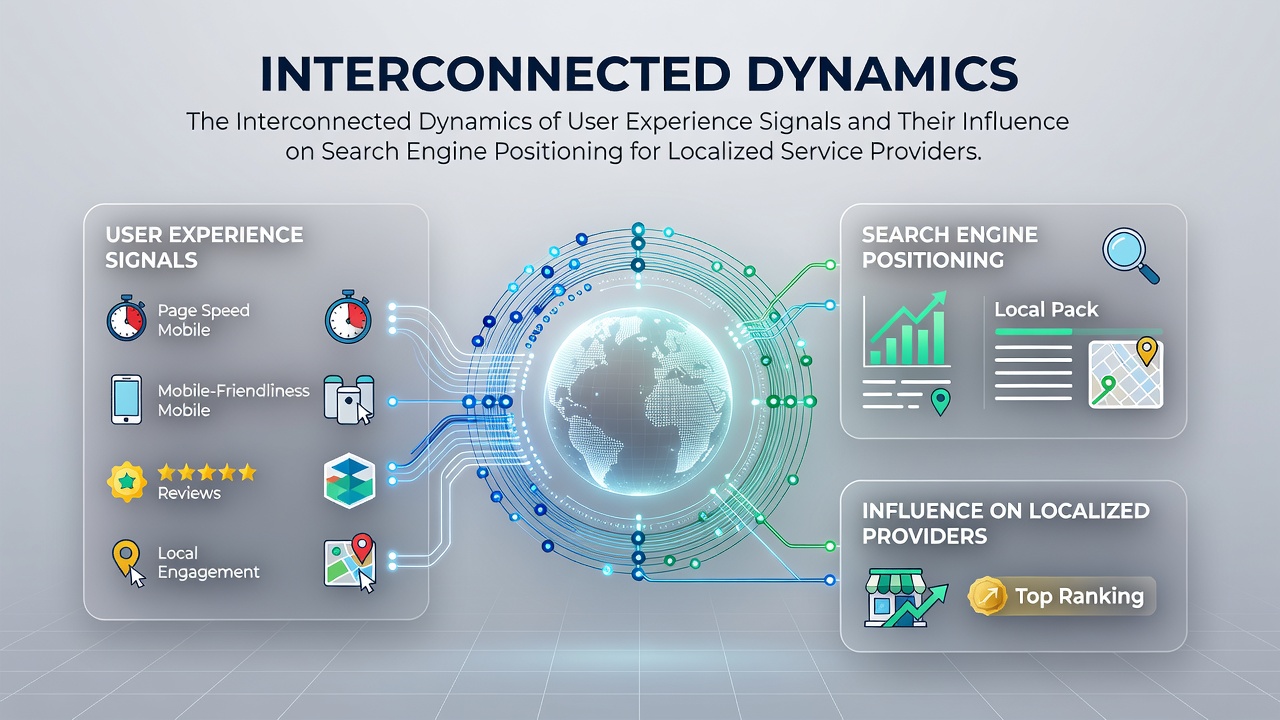
The Interconnected Dynamics of User Experience Signals and Their Influence on Search Engine Positioning for Localized Service Providers
Search engines evaluate numerous user experience signals when determining how localized service providers appear in results for queries tied to specific geographic areas, and these signals include dwell time, click-through rates, mobile responsiveness, and navigation ease. Researchers at institutions such as the Massachusetts Institute of Technology have documented how these elements interact with algorithmic systems that prioritize relevance and satisfaction for users seeking nearby services like plumbing repairs or dental consultations.
Core Components of User Experience in Local Contexts
Localized service providers rely on signals that reflect how visitors interact with websites once they arrive from search results, and data from industry reports indicate that longer session durations often correlate with higher placement in map packs and organic listings. Core Web Vitals such as Largest Contentful Paint and Cumulative Layout Shift play direct roles because they measure loading speed and visual stability, factors that become especially critical when users access sites on mobile devices while traveling through urban or suburban areas.
Studies from the University of Melbourne reveal that service businesses with optimized local landing pages experience measurable improvements in engagement metrics, which in turn feed back into ranking models that weigh behavioral data alongside traditional signals like backlinks and keyword density. Observers note that when a visitor quickly exits a site due to confusing menus or slow forms, those negative interactions can reduce visibility for location-specific searches within weeks.
Interconnections Between Signals and Algorithmic Adjustments
Multiple signals operate together rather than in isolation, and experts have traced how bounce rates on contact pages connect to dwell time on service description sections to influence overall authority scores for local providers. In September 2026, updates to major search platforms incorporated refined machine learning layers that analyze sequences of user actions across sessions, allowing systems to detect patterns where high-quality content leads to repeat visits from the same geographic region.
Those patterns help differentiate between genuine local intent and broader queries, which benefits providers who maintain consistent experiences across desktop and mobile interfaces. Research indicates that sites failing to address these interconnections often see gradual declines in impressions for terms like "emergency electrician near me," even when on-page optimization remains strong.
Practical Effects on Service Provider Visibility
Local businesses such as HVAC contractors and legal practices demonstrate how improved user experience metrics translate into better positioning when they streamline appointment booking flows and embed accurate location data. Figures from government statistical agencies in Canada show that small service firms investing in responsive design report higher conversion rates from search traffic, creating a cycle where satisfied users generate additional positive signals through return visits and shares.
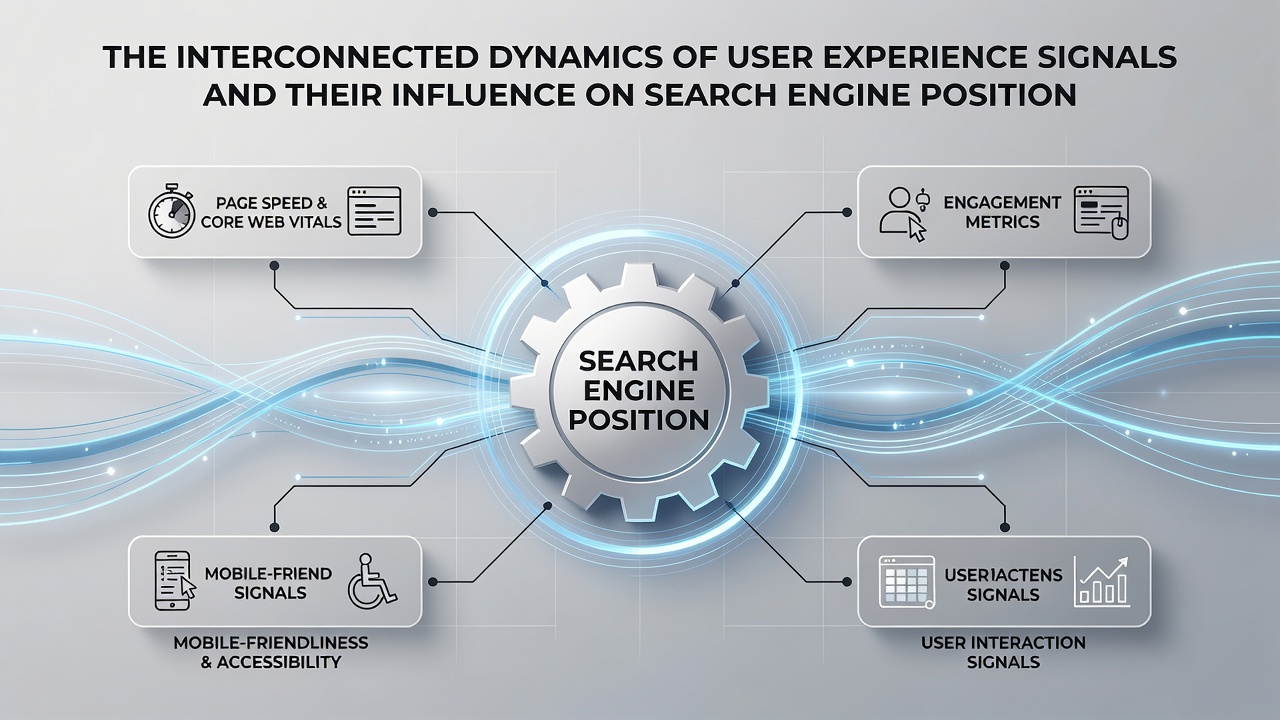
What's interesting is the way these dynamics extend to review integration and schema markup, elements that enhance trust signals while also improving how search engines interpret page utility for nearby users. Providers who neglect these areas frequently encounter reduced exposure despite strong traditional SEO efforts.
Measurement Approaches and Ongoing Adaptation
Analytics platforms allow service providers to track specific signals such as scroll depth on service pages and exit rates from location finders, and professionals often combine this data wth heat mapping tools to identify friction points. According to documentation from Google, behavioral indicators now receive greater emphasis in localized ranking determinations than they did in earlier algorithm versions.
Another source from the Pew Research Center highlights shifting user expectations around mobile experiences, which indirectly pressures localized providers to maintain sites that load efficiently on varied network conditions. Adaptation involves regular audits that examine both technical performance and content relevance for the communities served.
Conclusion
The relationships among user experience signals create feedback loops that shape how search engines position localized service providers, and continued monitoring of these factors supports sustained visibility as algorithms evolve. Businesses that address loading performance, navigation clarity, and content engagement tend to maintain stronger placements across both organic and map-based results.